Enhance CRM Systems with Reliable Server Hosting is crucial for modern businesses. CRM systems are the heart of customer interactions, but their effectiveness hinges on a robust server infrastructure. This guide explores how reliable hosting solutions dramatically improve CRM performance, security, and scalability, ensuring your customer data is safe, accessible, and optimized for growth.
From choosing the right cloud, dedicated, or VPS server to optimizing performance and data security, this comprehensive guide will equip you with the knowledge to elevate your CRM system and drive business success. We’ll dive deep into the practical aspects, providing actionable insights and real-world examples.
Introduction to CRM System Enhancement
Customer Relationship Management (CRM) systems are the lifeblood of modern businesses. They manage interactions with customers, track sales leads, and provide valuable insights into customer behavior. A robust CRM system allows businesses to personalize interactions, streamline processes, and ultimately, drive revenue growth. Without a well-functioning CRM, companies risk losing valuable customer data, missing crucial sales opportunities, and falling behind competitors.CRM systems can be enhanced in numerous ways, all aiming to improve efficiency, increase sales, and boost customer satisfaction.
These enhancements can range from simple tweaks to complex integrations, but the core principle remains the same: improve the flow of information and the overall experience for both the business and its customers. This involves not just software upgrades but also strategic shifts in how the CRM is used within the organization.
Ways to Enhance CRM Systems
A multitude of strategies can be employed to enhance CRM systems. These strategies range from improving data entry processes to integrating with other business tools. These enhancements can significantly impact a business’s efficiency and profitability. By implementing these improvements, companies can leverage CRM systems more effectively to achieve their business goals.
- Improved Data Management: Accurate and complete data is critical to a successful CRM. Implementing robust data validation processes, automating data entry where possible, and using data cleansing tools to remove inaccuracies are key improvements. This reduces errors, ensures data integrity, and empowers better reporting and analysis. The result is a more reliable system, leading to improved decision-making.
- Enhanced Reporting and Analytics: Advanced reporting and analytics features allow businesses to gain deeper insights into customer behavior and trends. Utilizing dashboards and visualizations to display key metrics helps identify areas for improvement and opportunities for growth. CRM systems should provide real-time insights to allow businesses to react quickly to changes in the market.
- Integration with Other Systems: Integrating CRM systems with other business applications, such as marketing automation tools, e-commerce platforms, and accounting software, allows for a more unified view of the customer journey. This seamless data flow improves collaboration across departments and allows for more efficient workflows. A holistic view of the customer is paramount for tailored and personalized service.
- Improved User Experience: A user-friendly interface and intuitive navigation significantly impact the adoption rate and effectiveness of a CRM system. Training and support are crucial for ensuring users effectively leverage the system. Clearer and more intuitive interfaces contribute to improved employee satisfaction and a higher likelihood of system usage.
Role of Reliable Server Hosting in CRM Enhancement
Reliable server hosting is fundamental to the success of any CRM system. A robust and scalable hosting infrastructure ensures the system is always available, performs optimally, and can handle increasing data volumes. Downtime or slow performance can severely impact sales and customer satisfaction.
- High Availability: Reliable hosting providers offer high availability through redundant servers and failover mechanisms. This ensures that the CRM system remains operational even during unexpected outages, preventing significant disruptions to business operations. Minimizing downtime is crucial for maximizing productivity.
- Scalability: As businesses grow and data volumes increase, a scalable hosting solution can accommodate the demands of a growing CRM system. This avoids performance bottlenecks and ensures that the system continues to function efficiently as the business expands. A scalable system is a vital component for sustainable growth.
- Security: Secure server hosting protects sensitive customer data from unauthorized access. Robust security measures, such as firewalls and encryption, are critical for safeguarding confidential information. Protecting customer data is paramount for maintaining trust and complying with data privacy regulations.
- Performance Optimization: Reliable hosting providers optimize server resources to ensure fast response times and efficient processing. This leads to a better user experience and improved system performance. A faster CRM leads to improved sales and better customer service.
Different CRM Systems and Suitable Hosting Solutions
The best hosting solution for a CRM system depends on the type of CRM and the specific needs of the business. Here’s a table outlining some common CRM types and their optimal hosting solutions:
| CRM Type | Description | Suitable Hosting Solution |
|---|---|---|
| On-Premise CRM | CRM software installed and managed on the company’s own servers. | Dedicated Servers or Virtual Private Servers (VPS) |
| Cloud-Based CRM | CRM software hosted and managed by a third-party provider. | Cloud Hosting (IaaS or PaaS) |
| Hybrid CRM | Combines on-premise and cloud-based features. | Hybrid hosting solutions that combine both dedicated and cloud environments. |
Importance of Reliable Server Hosting for CRM
Your CRM system is the heart of your business. It holds your customer data, drives your sales processes, and fuels your marketing campaigns. But if your server hosting isn’t up to snuff, all that precious data and functionality can be at risk. Imagine your entire sales pipeline grinding to a halt, or critical customer information disappearing. Reliable server hosting isn’t just a nice-to-have; it’s a necessity for any modern business.Reliable server hosting is crucial for maintaining CRM system availability and performance.
A stable platform ensures smooth data access for your sales team, marketing specialists, and customer service representatives. Downtime can lead to lost productivity, missed sales opportunities, and frustrated customers. A robust server infrastructure, backed by a reliable hosting provider, is the foundation for a seamless and efficient CRM experience.
Impact on Data Integrity and Security
Reliable server hosting directly impacts the integrity and security of your CRM data. A robust hosting environment safeguards against data loss due to hardware failures, software glitches, or even cyberattacks. Redundancy in storage and backups, coupled with secure access controls, minimize the risk of data breaches and corruption, ensuring the accuracy and reliability of your customer information. This is paramount to maintain customer trust and prevent reputational damage.
Potential Issues from Unreliable Hosting
Unreliable server hosting can lead to a cascade of problems for your CRM system. Slow loading times, frequent outages, and data corruption are all potential issues that can severely hamper CRM functionality. For example, imagine a sales team struggling to access critical customer data during a crucial sales cycle. This can lead to lost deals, frustrated clients, and a significant drop in revenue.
Security vulnerabilities also arise when hosting isn’t secure, making your CRM susceptible to cyberattacks. The repercussions of data breaches can be catastrophic, impacting customer trust, leading to regulatory fines, and potentially crippling your business operations.
Strong CRM systems need rock-solid server hosting, no question. But what if your insurance claims aren’t getting the attention they deserve? A great insurance lawyer like the one featured in Insurance Lawyer Who Makes Companies Pay What They Owe can make a real difference, ensuring your company pays its fair share. Ultimately, robust hosting is key for a streamlined CRM and happy customers.
Comparison of Server Hosting Options
Choosing the right server hosting option is critical for your CRM system. The best choice depends on your specific needs, budget, and technical expertise. Here’s a comparison table outlining the key differences between cloud, on-premises, and hybrid hosting solutions, considering CRM system requirements:
| Hosting Type | Scalability | Cost | Security | Maintenance | CRM System Requirements |
|---|---|---|---|---|---|
| Cloud | High | Variable (often scalable, pay-as-you-go) | High (often robust security measures) | Low (managed by provider) | Suitable for businesses needing flexibility and rapid scalability. |
| On-premises | Medium | High (initial investment, ongoing costs) | High (control over security measures) | High (requires dedicated IT staff) | Suitable for businesses with high security requirements and a stable infrastructure. |
| Hybrid | High | Variable (combination of cloud and on-premises costs) | High (combines cloud and on-premises security) | Medium (requires IT management for on-premises elements) | Suitable for businesses needing a balance between scalability, control, and cost-effectiveness. |
A carefully considered approach to hosting selection ensures your CRM system operates at peak performance, safeguarding your data and ensuring the success of your business.
Server Hosting Solutions for Enhanced CRM Performance
Choosing the right server hosting solution is crucial for a high-performing CRM system. A poorly hosted CRM can lead to frustrating slowdowns, data loss, and ultimately, a bad user experience. This impacts everything from sales team productivity to customer satisfaction. This section dives into the various hosting options, comparing their strengths and weaknesses in the context of CRM performance, and how scalability is key to long-term growth.Understanding the different hosting options available is essential for optimizing your CRM system’s performance and ensuring its scalability to meet your business needs.
The choice between cloud, dedicated, or VPS hosting hinges on factors such as budget, expected user volume, and the specific functionalities of your CRM.
Cloud Hosting for CRM Systems
Cloud hosting offers scalability and flexibility, making it a popular choice for CRM systems. It’s easily adaptable to changing demands, allowing for rapid increases in user capacity without significant upfront investment. The pay-as-you-go model makes it cost-effective for startups and businesses with fluctuating needs. Cloud providers typically handle maintenance, security updates, and infrastructure management, freeing up your team to focus on core business functions.
However, reliance on a third-party provider introduces potential limitations in customization and control over the infrastructure.
Dedicated Server Hosting for CRM Systems
Dedicated servers provide the highest level of control and customization. Businesses with very specific performance requirements or a need for total control over the infrastructure often choose this option. Dedicated servers offer unparalleled performance due to the complete allocation of resources to your CRM system. This is ideal for high-traffic CRM systems with large user bases, and those requiring absolute security and privacy.
However, the cost is typically higher than cloud or VPS options, and maintenance responsibilities fall entirely on the customer. Scalability can be a concern if demands outstrip the server’s capacity, necessitating a costly upgrade.
VPS Hosting for CRM Systems
Virtual Private Servers (VPS) offer a balance between the flexibility of cloud hosting and the control of a dedicated server. A VPS provides a dedicated portion of a physical server, giving you a dedicated environment without the high cost of a dedicated server. VPS hosting offers greater control than cloud hosting, but less than a dedicated server. This makes it a suitable choice for businesses needing more control than cloud but less commitment than a dedicated server.
It offers a good balance for businesses that anticipate growth but want to avoid large initial investments. Performance can be impacted by shared resources, potentially affecting responsiveness if the overall server load increases.
Scalability and User Capacity
The scalability of your server hosting directly impacts your CRM system’s ability to handle increasing user capacity and data volumes. A scalable solution ensures your CRM system can adapt to future growth without performance degradation. Cloud hosting is naturally scalable, allowing for easy increases in resources as needed. Dedicated servers, while powerful, may require more significant upfront investments and planning to accommodate future growth.
VPS hosting offers a middle ground, providing a degree of scalability without the full commitment of a dedicated server. The ability to adjust resources based on usage patterns is crucial for optimal performance and cost-effectiveness.
CRM System Specifications
The specific specifications (CPU, RAM, storage) required for a CRM system depend heavily on the system’s functionalities and the expected user volume. A larger user base with complex functionalities necessitates more powerful hardware. This table provides a general guideline for different CRM system functionalities and user volumes.
| CRM Functionality | User Volume | CPU | RAM | Storage |
|---|---|---|---|---|
| Basic CRM | 100-500 users | Dual-core processor | 8GB | 500GB |
| Mid-range CRM | 500-1000 users | Quad-core processor | 16GB | 1TB |
| Enterprise CRM | 1000+ users | 8-core processor | 32GB+ | 2TB+ |
Note: These are general guidelines and actual requirements may vary depending on specific CRM software and user activity.
Data Security and Backup Strategies
Your CRM is the heart of your business, and its data is your most valuable asset. Hackers know this, and they’re constantly looking for ways to exploit vulnerabilities. Protecting your CRM data isn’t just about avoiding fines; it’s about safeguarding your business’s future. Robust data security and backup strategies are crucial for maintaining operational continuity, minimizing downtime, and ensuring business resilience.
Server hosting plays a pivotal role in this process, acting as the fortress protecting your valuable data.Reliable server hosting providers implement various security measures, including firewalls, intrusion detection systems, and regular security audits. They also often use encryption to protect data both in transit and at rest. This layered approach significantly reduces the risk of unauthorized access or data breaches.
Furthermore, the physical security of the server infrastructure is paramount, with secure facilities and access controls. These safeguards are critical in ensuring the integrity and confidentiality of your CRM data.
Data Security within CRM Systems
Data breaches can have devastating consequences, ranging from financial losses and reputational damage to legal liabilities. CRM data, containing sensitive customer information and business-critical data, is a prime target. Implementing robust security measures, including strong passwords, multi-factor authentication, and regular security updates, is crucial. Data encryption, both in transit and at rest, adds an extra layer of protection.
Regular security audits and vulnerability assessments help identify and address potential weaknesses before they can be exploited.
Data Backup Strategies for CRM Data
Regular backups are essential for recovering data in case of system failures, disasters, or human error. The frequency and type of backups depend on the criticality of the data and the potential impact of data loss. Effective backup strategies are critical for ensuring business continuity. Data loss can be devastating, impacting revenue, customer relationships, and operational efficiency.
Backup Methods and Their Characteristics
- Full Backups: A full backup copies the entire database. This is the most comprehensive but also the most time-consuming method. Full backups are ideal for initial data protection and disaster recovery scenarios.
- Incremental Backups: These backups copy only the changes made since the last full or incremental backup. This is a faster method than full backups, but you need the corresponding full backup to restore data. Incremental backups are ideal for routine data protection when the data changes frequently.
- Differential Backups: Similar to incremental backups, differential backups copy only the changes since the last full backup. However, unlike incremental backups, a differential backup doesn’t require the previous incremental backup for restoration. This offers a balance between speed and data recovery.
Importance of Regular Backups and Disaster Recovery Plans
Regular backups are not just a safeguard; they’re a necessity. A robust disaster recovery plan ensures your business can quickly resume operations in the event of a major incident. This plan should Artikel procedures for data restoration, system recovery, and communication protocols. Having a clear plan helps minimize downtime and maintain business continuity during critical periods. Regular testing of the disaster recovery plan ensures it remains effective and up-to-date.
Backup Methods Comparison Table
| Backup Method | Cost | Complexity | Recovery Time |
|---|---|---|---|
| Full Backup | Higher | High | Moderate to High |
| Incremental Backup | Lower | Moderate | Moderate |
| Differential Backup | Lower | Moderate | Moderate to High |
Note: Costs and complexities can vary depending on the specific hosting provider and backup solution.
Performance Optimization Strategies
Tired of your CRM feeling sluggish? Slow loading times and clunky processes are a major pain point for businesses. Optimizing your CRM’s performance directly impacts user experience, productivity, and ultimately, your bottom line. This isn’t just about speed; it’s about creating a seamless, efficient system that empowers your team.Effective performance optimization hinges on a multifaceted approach that considers the specific demands of your CRM and your chosen server hosting platform.
By strategically leveraging load balancing, caching, and optimized database queries, you can dramatically improve responsiveness and efficiency, allowing your CRM to handle peak loads without hiccups. Let’s dive into the nitty-gritty of making your CRM a high-performance powerhouse.
Load Balancing Strategies for Enhanced CRM Responsiveness
Load balancing distributes incoming requests across multiple servers, preventing overload on any single point. This crucial strategy ensures consistent performance, even during peak hours, crucial for CRM applications that need to handle numerous users simultaneously. A well-implemented load balancer acts as a traffic director, routing requests to available servers, maintaining the system’s speed and preventing bottlenecks. This often translates to a noticeable improvement in user experience.
Caching Mechanisms for Faster CRM Access
Caching stores frequently accessed data in readily available locations. This technique drastically reduces the time it takes to retrieve this data, leading to immediate improvements in application response time. By caching frequently accessed elements, such as user profiles, product listings, or sales reports, your CRM can deliver faster and more efficient responses, reducing latency and improving overall performance.
This can be particularly impactful in high-traffic environments.
Database Query Optimization for CRM Applications, Enhance CRM Systems with Reliable Server Hosting
Efficient database queries are fundamental to CRM performance. Slow queries can significantly impact the overall speed of your CRM. Optimizing database queries often involves strategies like using appropriate indexes, employing parameterized queries, and optimizing database structure. For example, using the right indexes can drastically reduce the time needed to retrieve specific data, resulting in a more responsive CRM.
Performance Optimization Techniques for Different Server Hosting Solutions
| Server Hosting Solution | Load Balancing | Caching | Database Query Optimization |
|---|---|---|---|
| Cloud Hosting (AWS, Azure, GCP) | Built-in load balancers, easy to configure and scale. | Various caching solutions available (e.g., Redis, Memcached) that integrate seamlessly with cloud environments. | Cloud databases often offer tools for query optimization and performance monitoring. |
| Dedicated Servers | Requires external load balancer solutions, but allows for fine-grained control. | Similar caching solutions are available, but management is more hands-on. | Database optimization tools and tuning are more involved but allow for customized configurations. |
| Virtual Private Servers (VPS) | Load balancers can be deployed on the VPS. | Caching solutions can be implemented on the VPS. | Requires careful database configuration and tuning for optimal performance. |
This table provides a general comparison. Specific optimization strategies will vary depending on the particular configuration and demands of each hosting solution.
Integration with Other Systems
Integrating your CRM with other business applications is crucial for a holistic view of your customer journey. Think of it like connecting the dots in a customer’s interaction with your brand – from initial contact to post-purchase support. Without seamless integration, you’re working with fragmented data, hindering informed decision-making and ultimately impacting your bottom line. A robust, reliable server hosting infrastructure is the backbone of this integration, enabling smooth data exchange and avoiding bottlenecks.Reliable server hosting acts as the conduit for seamless data exchange between your CRM and other systems.
Strong CRM systems need rock-solid hosting. Think about how crucial reliable server infrastructure is for handling the data deluge, especially when dealing with a radio station like Media Sai Fm. This ensures smooth operations and ultimately, a better user experience. Solid server hosting is the foundation for any effective CRM system.
This includes everything from marketing automation platforms to e-commerce solutions, and even your accounting software. A strong server infrastructure ensures consistent performance and prevents integration hiccups, guaranteeing that data flows efficiently and accurately between your systems. This, in turn, allows you to provide a more personalized and efficient customer experience.
Common CRM Integration Methods
Various methods facilitate integration between CRM systems and other applications. These methods differ in complexity and technical requirements. Choosing the right method depends on the specific needs of your business and the technical capabilities of your team.
- API Integrations: Application Programming Interfaces (APIs) are a common and powerful way to connect systems. APIs define the rules for how different applications exchange data. They are often preferred for their flexibility and scalability. An example is connecting your CRM to your e-commerce platform to automatically update customer information.
- Custom Integrations: For unique or complex requirements, custom integrations may be necessary. A dedicated team develops custom code to connect your CRM to specific applications. This approach offers maximum control but also comes with a higher development cost and time investment. This is often employed when existing APIs don’t offer the required functionalities.
- Third-party Integration Tools: These tools act as intermediaries, bridging the gap between your CRM and other applications. They simplify the integration process, requiring less technical expertise. These tools often offer pre-built connectors for popular applications, streamlining the setup and management.
Impact of Server Hosting on Integration Performance
The performance of your server hosting solution directly affects the speed and efficiency of your CRM integrations. A robust hosting environment ensures that the data transfer between systems is swift and consistent.
| Server Hosting Solution | Integration Speed | Performance Impact |
|---|---|---|
| Shared Hosting | Slow | High risk of slowdowns and latency during peak hours due to resource sharing. |
| VPS Hosting | Moderate | Better performance than shared hosting but can still be affected by resource constraints. |
| Dedicated Hosting | Fast | Provides dedicated resources, ensuring consistent performance and low latency, critical for seamless data exchange during peak hours. |
| Cloud Hosting | Variable | Performance depends on the cloud provider’s infrastructure and your allocated resources. Consider factors like scalability and redundancy when evaluating options. |
Choosing the right server hosting solution for your CRM integration is paramount for optimizing performance and ensuring seamless data exchange.
Scalability and Growth Considerations

Your CRM system isn’t just a tool; it’s a reflection of your business’s trajectory. A robust server hosting solution is crucial to ensuring your CRM can grow with you, adapting to increasing user demands and data volumes without hiccups. Choosing the right hosting setup now can save you headaches and significant costs later, as you scale.Choosing a hosting solution that can anticipate your future needs is critical.
It’s about more than just today’s capacity; it’s about tomorrow’s potential. You need a system that can flex with your business, handling surges in activity and data without slowing down. Think of it as investing in a future-proof foundation for your CRM.
Server Hosting Solutions for Future Growth
A flexible hosting solution should be able to scale horizontally, adding more resources as needed. This often involves cloud-based options, which can be provisioned quickly and easily. Look for providers with a proven track record of handling large datasets and high traffic volumes. Avoid solutions that rely on inflexible, fixed-resource models, as they may become a bottleneck as your business expands.
Consider providers that offer predictable pricing models that scale with your needs, so you’re not hit with unexpected cost increases as you grow.
Adapting to Changing User Demands and Data Volumes
As your business evolves, so will your user demands and data volumes. A well-designed CRM system, supported by a scalable server hosting solution, can adapt to these changes seamlessly. Regular performance monitoring and optimization are key. Tools that allow for real-time adjustments to resources based on usage patterns are essential. Monitoring user activity, data growth trends, and potential bottlenecks is crucial for proactively adapting your server setup.
Strong CRM systems rely on rock-solid server hosting. But what if your data is compromised? Don’t just focus on the tech; consider your policyholder rights. If you’re dealing with insurance issues, Policyholder Rights Matter! Get a Skilled Insurance Lawyer to protect your interests. Robust hosting, coupled with a strong legal strategy, is key for long-term CRM success.
So, choose your server hosting wisely – it’s a critical component for smooth operations.
This proactive approach will prevent performance degradation and maintain a positive user experience.
Illustration of a Well-Designed Server Hosting Setup
Imagine a growing e-commerce company. Initially, a smaller, shared hosting plan might suffice for their CRM. As their online presence expands and orders increase, they could migrate to a dedicated server hosting solution, which provides more processing power and storage capacity. Further growth could necessitate a cloud-based solution that automatically scales resources up or down based on real-time demands.
This allows the CRM to handle increasing order processing, customer service requests, and inventory management without slowing down or experiencing downtime. This flexible approach is vital to ensure the CRM remains a powerful tool for driving business growth.
Cost Considerations for CRM Server Hosting
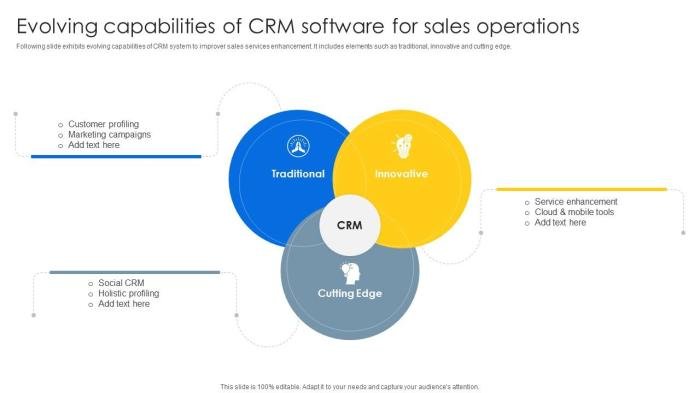
So, you’ve got your CRM system locked down, the performance is top-notch, and your team’s raving about the improvements. But before you celebrate, let’s talk about the elephant in the room: cost. Choosing the right server hosting solution for your CRM isn’t just about performance; it’s about making sure that performance doesn’t break the bank. We’ll break down the various costs and how to make smart decisions that save you money in the long run.Understanding the various cost components is crucial for a successful CRM implementation.
Different hosting options come with different pricing models, each with its own set of advantages and disadvantages. Careful evaluation of the total cost of ownership (TCO) is essential to ensure you’re not just paying for the initial setup but also for ongoing maintenance, upgrades, and potential issues.
Variable Costs of Different Server Hosting Options
Server hosting costs aren’t a one-size-fits-all affair. Cloud hosting, dedicated servers, and managed services all have unique pricing structures. Cloud hosting, for instance, typically uses a pay-as-you-go model, making it flexible but potentially unpredictable. Dedicated servers offer more control but come with higher upfront costs and ongoing management responsibilities. Managed services strike a balance, with a fixed monthly fee covering maintenance and support.
Factors Influencing Cost-Effectiveness
Several factors influence the overall cost-effectiveness of your server hosting solution. These include:
- Scalability Needs: A growing business requires a hosting solution that can adapt to increasing data volumes and user demands. A solution that can easily scale will prevent bottlenecks and ensure smooth operation, which translates to cost savings in the long run, avoiding the need for frequent, expensive upgrades.
- Data Security and Backup Strategies: Robust security measures and reliable backup solutions are crucial. Investing in these features may seem costly initially, but they ultimately prevent expensive data breaches or system failures.
- Technical Expertise: Managing servers in-house requires technical expertise. If your team lacks the necessary skills, managed hosting services might be more cost-effective in the long run, eliminating the need for internal IT staff.
- Support and Maintenance: Different hosting providers offer varying levels of support and maintenance. Choosing a provider with a robust support team can prevent costly downtime and save you time and resources in the long run.
Total Cost of Ownership (TCO) Calculation
Calculating the TCO involves considering all expenses related to a hosting solution over its lifespan. This includes:
- Initial Setup Costs: This encompasses server purchase, software licenses, and initial configuration.
- Recurring Costs: These are the monthly fees for hosting, support, and maintenance.
- Potential Downtime Costs: Downtime can lead to lost revenue, customer dissatisfaction, and reputational damage. Consider the potential financial impact of downtime when evaluating different hosting options.
- Future Upgrades and Scalability: Project future growth and plan for upgrades and scalability to avoid costly overhauls later on.
Cost Comparison Table
The table below provides a simplified comparison of different server hosting options, highlighting potential costs (excluding software licenses):
| Hosting Type | Initial Setup Cost | Monthly Recurring Cost | Maintenance & Support | Scalability | Overall Cost |
|---|---|---|---|---|---|
| Cloud Hosting (Pay-as-you-go) | Low | Variable | Involved, depends on provider | High | Potentially lower or higher depending on usage |
| Dedicated Server | High | Medium | High, requires in-house expertise or managed service | High | Potentially higher, but with more control |
| Managed Hosting Service | Medium | Fixed | Included, high support | Medium | Predictable and often cost-effective for mid-range needs |
Ultimate Conclusion

In conclusion, enhancing your CRM systems with reliable server hosting is a strategic investment that yields significant returns. By understanding the diverse hosting options, security measures, and performance optimization strategies, you can unlock the full potential of your CRM, leading to improved customer experiences, increased efficiency, and ultimately, higher profitability. This guide provides a solid foundation to make informed decisions and build a CRM system that scales with your business.
Question Bank: Enhance CRM Systems With Reliable Server Hosting
What are the typical costs associated with different server hosting options for CRM systems?
Cost varies significantly based on the type of hosting (cloud, dedicated, VPS), features, and resource requirements. Cloud hosting often has lower upfront costs but potentially higher long-term expenses if usage escalates. Dedicated servers offer more control and customization but involve higher initial investment. VPS servers represent a middle ground, balancing cost and control.
How does reliable hosting impact data integrity and security within a CRM system?
Reliable hosting ensures consistent access to your CRM data, minimizing disruptions and data loss. Robust security measures, including regular backups and firewalls, protect your sensitive customer information from breaches and unauthorized access, safeguarding your business’s reputation and compliance.
What are some common CRM system integration methods?
Common integration methods include APIs, middleware, and custom integrations. Choosing the right method depends on your specific CRM and other applications. Reliable hosting facilitates seamless data exchange between systems, enabling smooth workflows and improved business processes.
What are the key specifications (CPU, RAM, storage) needed for different CRM system functionalities and user volumes?
The necessary specifications depend on the CRM’s functionalities and the number of users. For instance, a CRM handling large volumes of transactions needs higher CPU and RAM capacity compared to a CRM with fewer users and simpler functionalities. Storage requirements also depend on the amount of data being stored and managed.