The Benefits of Cloud Hosting for CRM Solutions and Data unlocks a world of possibilities for businesses. Imagine seamless access to crucial data, enhanced collaboration, and significant cost savings – all within a secure and scalable cloud environment. This guide dives deep into the advantages of cloud-based CRM, exploring everything from security and data management to performance and integration.
Cloud-based CRM systems are rapidly changing how businesses manage customer relationships. Their agility, accessibility, and cost-effectiveness make them a compelling alternative to traditional on-premises solutions. Let’s explore how cloud hosting empowers businesses to maximize their CRM potential.
Introduction to Cloud Hosting for CRM

Cloud hosting is revolutionizing how businesses manage Customer Relationship Management (CRM) systems. It’s essentially renting computing resources over the internet instead of owning and maintaining your own servers. This approach offers significant advantages, particularly for CRM solutions that need to scale and adapt quickly to changing business needs. Imagine a system that automatically adjusts its capacity as your customer base grows, without you having to invest in expensive hardware upgrades.
That’s the power of cloud hosting.Traditional on-premises CRM systems, while reliable, require substantial upfront investment in servers, software licenses, and IT staff for maintenance. Cloud-based solutions eliminate these upfront costs and allow businesses to focus on their core competencies. The shift towards cloud-based CRM solutions reflects a broader trend of businesses embracing cloud computing for its agility and cost-effectiveness.
Fundamental Differences Between On-Premises and Cloud-Based CRM
On-premises CRM systems are installed and managed on a company’s own servers, requiring significant IT infrastructure and ongoing maintenance. Cloud-based systems, in contrast, operate on remote servers managed by a third-party provider, eliminating the need for in-house IT expertise. This crucial distinction directly impacts a company’s operational flexibility and cost structure.
Scalability and Flexibility in Cloud Hosting
Cloud hosting provides unparalleled scalability. As your business grows and your CRM data expands, you can easily adjust your computing resources upwards or downwards. This adaptability is a significant advantage over on-premises systems, where expanding capacity often involves expensive and time-consuming hardware upgrades. Cloud solutions allow for a more agile and responsive approach to business growth. For example, during peak seasons, a company can quickly increase its storage and processing power to handle the increased volume of customer interactions, without significant delays.
Conversely, during slower periods, resources can be reduced, saving on operational costs.
Benefits of Cloud-Based CRM Solutions
Cloud-based CRM solutions offer numerous advantages, making them attractive to businesses of all sizes. Ease of access is a major benefit. Employees can access and update CRM data from anywhere with an internet connection, fostering collaboration and real-time information sharing. This enhanced accessibility streamlines workflows and improves efficiency. For example, a sales team on the road can instantly access customer information and update records as needed, ensuring better responsiveness to customer needs.
Typical Infrastructure in a Cloud-Based CRM Solution
Cloud-based CRM solutions typically involve a network of remote servers hosted by a provider. These servers are equipped with powerful computing resources and are maintained by a team of experts. Data is securely stored and managed on these servers, accessible through a user-friendly interface. The specific infrastructure can vary depending on the provider and the specific needs of the customer.
This ensures high availability and performance for accessing and updating critical data. This includes robust security measures, disaster recovery plans, and regular maintenance to ensure uptime and data integrity.
Enhanced Data Security and Management: The Benefits Of Cloud Hosting For CRM Solutions And Data
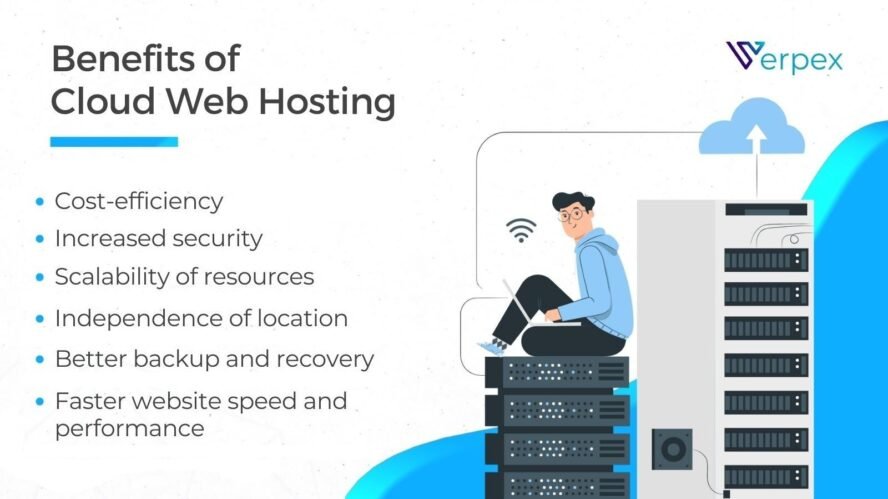
Cloud hosting for CRM solutions offers significant advantages in data security and management, moving beyond the limitations of on-premises systems. This enhanced security is crucial for businesses handling sensitive customer data, ensuring compliance with regulations, and safeguarding against potential breaches. The cloud’s inherent scalability and redundancy contribute to robust data protection, allowing businesses to adapt to evolving needs and maintain business continuity.Cloud providers invest heavily in security infrastructure, employing a multi-layered approach to protect your CRM data.
This often includes advanced encryption techniques, secure access controls, and regular security audits. By leveraging the cloud, businesses can often access a higher level of security than they could achieve with their own resources.
Security Measures in Cloud Hosting Environments
Cloud hosting providers employ a variety of security measures to protect CRM data. These include robust firewalls, intrusion detection systems, and regular security audits to identify and address vulnerabilities proactively. Data centers are typically located in secure facilities with physical security measures such as access controls, surveillance systems, and environmental controls to maintain optimal operating conditions. This multi-layered approach provides a strong defense against unauthorized access and data breaches.
Data Backup and Recovery Strategies
Cloud-based CRM solutions often incorporate automated backup and recovery strategies. These strategies frequently include regular backups of data, which are stored redundantly in multiple locations within the cloud infrastructure. This redundancy mitigates the risk of data loss due to hardware failures or natural disasters. Restoration of data is often a straightforward process, minimizing downtime and ensuring business continuity.
A critical aspect of these strategies is the ability to quickly restore data to a specific point in time, allowing for recovery from accidental deletions or modifications.
Data Encryption Methods
Different encryption methods are used in cloud-based CRM solutions, each with its own strengths and weaknesses. Advanced encryption standards (AES) are commonly used to encrypt data both in transit and at rest. This ensures that sensitive information is protected even if unauthorized access is gained to the storage or transmission channels. Data encryption protocols, like TLS/SSL, are essential for securing communication between the CRM application and the cloud platform.
These methods help protect data from eavesdropping during transmission.
Data Access Control and User Permissions
Cloud-based CRM solutions typically offer granular control over data access. User permissions are defined to limit access to specific data sets and functionalities, preventing unauthorized access and misuse. This ensures that only authorized personnel can view or modify sensitive information. Roles and permissions are often configurable, allowing businesses to tailor access to specific needs.
Data Governance Policies and Compliance Standards
Data governance policies are crucial in cloud-based CRM solutions, ensuring data is handled responsibly and complies with relevant regulations. These policies Artikel how data is managed, protected, and used within the organization. Common compliance standards such as GDPR, HIPAA, and CCPA are often addressed in these policies, ensuring that the organization adheres to data privacy regulations. These policies are critical for maintaining customer trust and avoiding potential legal issues.
Comparison of Security Features Across Cloud Providers, The Benefits of Cloud Hosting for CRM Solutions and Data
| Cloud Provider | Data Encryption | Backup & Recovery | Access Control | Compliance Standards |
|---|---|---|---|---|
| Provider A | AES-256, TLS/SSL | Automated, multiple locations | Role-based access control, granular permissions | GDPR, HIPAA, SOC 2 |
| Provider B | AES-128, TLS/SSL | Automated, geographically redundant | User-defined permissions, multi-factor authentication | GDPR, CCPA, ISO 27001 |
| Provider C | AES-256, TLS/SSL | Automated, point-in-time recovery | Role-based access control, audit trails | GDPR, HIPAA, PCI DSS |
This table provides a high-level comparison of security features offered by different cloud providers. It’s crucial to thoroughly evaluate the specific security features and compliance certifications offered by each provider to ensure alignment with your business’s needs and regulatory requirements.
Cost-Effectiveness and Scalability

Cloud hosting for CRM solutions is no longer a futuristic concept; it’s a pragmatic approach to managing your data and software. It offers a significant shift from the traditional on-premises model, freeing businesses from hefty upfront costs and complex infrastructure maintenance. This translates directly into significant cost savings and unparalleled scalability, allowing businesses to adapt to growth and change with ease.
Imagine a system that grows with your business, without requiring massive capital investments or lengthy IT projects.
Cost Savings with Cloud Hosting
Cloud hosting dramatically reduces the upfront capital expenditures associated with on-premises CRM systems. Instead of purchasing expensive hardware and software licenses, you pay a subscription fee, which often includes maintenance, updates, and security features. This pay-as-you-go model aligns perfectly with your budget and allows you to scale resources up or down as needed. Businesses often find they are paying less for cloud-based CRM in the long run, as they avoid significant upfront costs, ongoing hardware maintenance, and potential IT staff salaries.
Flexibility and Scalability for Growth
Cloud hosting provides unparalleled flexibility. As your business grows, you can easily increase or decrease your CRM resources without significant delays or complications. This adaptability is crucial in today’s dynamic market. No more waiting for IT departments to provision new servers; cloud-based systems adjust seamlessly to your evolving needs. Imagine your sales team growing by 25% in a quarter.
With a cloud solution, you can scale your CRM resources accordingly, avoiding bottlenecks and ensuring smooth operations.
Pay-as-you-Go Pricing Models
Pay-as-you-go pricing models are a core component of cloud hosting. You only pay for the resources you use, which can significantly reduce your overall CRM costs. This model offers predictability and control over your budget, avoiding large, unexpected expenses. Many providers offer tiered pricing plans, allowing you to select the features and storage capacity that align with your current needs.
For example, a startup might initially opt for a basic plan, then upgrade to a more comprehensive plan as their business expands.
Cost Comparison: On-Premises vs. Cloud-Based CRM
| Feature | On-Premises CRM | Cloud-Based CRM ||—|—|—|| Initial Investment | High (hardware, software licenses, installation) | Low (subscription fees) || Ongoing Maintenance | High (hardware repairs, software updates, IT staff) | Low (managed by the provider) || Scalability | Limited (requires significant infrastructure changes) | High (easily adjust resources as needed) || Data Security | Requires significant investment in security measures | Often includes robust security features || Disaster Recovery | Requires separate investments in backup and recovery solutions | Typically includes robust disaster recovery services || Accessibility | Limited to on-site access | Accessible from anywhere with an internet connection |
Breakdown of Ongoing Operational Costs
Ongoing operational costs for cloud hosting are generally lower compared to on-premises solutions. These costs typically include subscription fees for the CRM software and any additional services like storage or support. You won’t need to budget for hardware replacements, software updates, or IT staff salaries, as these are often handled by the cloud provider. Consider these ongoing operational costs as a predictable and manageable expense.
For example, a business might have a monthly cloud CRM cost of $5,000, a predictable expense, as opposed to the variable and often significant costs of maintaining on-premises servers.
Improved Collaboration and Accessibility
Cloud hosting dramatically boosts collaboration and accessibility for CRM users, making data more readily available and actionable. This translates directly into increased efficiency, faster response times, and ultimately, better customer service. Imagine a team seamlessly working together, regardless of location, all accessing the same up-to-date information. That’s the power of cloud CRM.Real-time data sharing and remote access are core to this enhanced collaboration.
Teams can view and update customer data simultaneously, fostering a unified understanding and avoiding confusion or outdated information. This fosters a culture of transparency and shared knowledge, driving better decision-making across the organization.
Cloud hosting offers a ton of advantages for CRM solutions and data, boosting efficiency and scalability. Want to supercharge your CRM systems? Check out how reliable server hosting can make a huge difference, Enhance CRM Systems with Reliable Server Hosting. Ultimately, cloud hosting streamlines your CRM processes and keeps your data safe and accessible, which is crucial for any business.
Real-Time Data Sharing and Collaboration
Cloud-based CRM systems facilitate real-time data sharing, enabling multiple users to access and modify the same information simultaneously. This eliminates the outdated information problems associated with traditional CRM systems, leading to faster responses and better informed decisions. The immediacy of data updates is crucial in today’s fast-paced business environment. It allows sales teams to immediately see updated customer interactions, marketing teams to react in real-time to changing trends, and customer service representatives to address issues swiftly and efficiently.
Remote Access and Enhanced Mobility
Cloud CRM platforms are designed for remote access, empowering users to work from anywhere with an internet connection. This flexibility boosts productivity and responsiveness, especially crucial for geographically dispersed teams or sales representatives working on the go. This agility translates to a more responsive business, better able to adapt to changing customer demands and market trends. Real-time updates mean that everyone is always working with the most current information.
Accessibility Across Devices and Locations
Cloud-based CRM systems are designed to be accessible across various devices – desktops, laptops, tablets, and smartphones. This flexibility allows CRM users to access critical information and perform essential tasks from anywhere, anytime, ensuring uninterrupted workflow and consistent data access. This device independence is essential in today’s mobile-first world, where access to information is paramount.
Features Supporting Remote Access in Cloud CRM Platforms
- Secure Logins and Authentication: Cloud platforms typically employ multi-factor authentication and robust security protocols to ensure only authorized users can access data, crucial for maintaining data integrity and confidentiality. This is paramount in today’s security-conscious world.
- Mobile Apps: Many cloud-based CRM platforms offer dedicated mobile applications, providing access to key features and data on smartphones and tablets. These mobile apps often include features like real-time notifications and offline access to data, which is essential for maintaining workflow while working remotely or in areas with unreliable internet connectivity.
- Browser-Based Access: Cloud CRM systems often offer browser-based access, allowing users to log in and work with the CRM through any internet-connected device. This provides seamless access across various devices and platforms.
- Data Synchronization: Cloud platforms synchronize data across all devices in real-time, ensuring everyone always has access to the most current information, regardless of where they are working. This data consistency avoids costly errors and maintains a unified understanding of the customer base.
Examples of Workflow Efficiency Improvements
Cloud-based CRM solutions often streamline workflows in a variety of ways. For instance, a sales team can access and update customer information instantly, leading to faster response times and improved customer satisfaction. A marketing team can track campaign performance in real-time, allowing for adjustments to maximize ROI. And customer service representatives can quickly resolve issues by accessing complete customer histories, leading to improved support and reduced resolution times.
These examples demonstrate the significant efficiency improvements that cloud-based CRM solutions can offer.
Integration and Customization
Cloud-based CRM systems are designed for flexibility and growth, allowing businesses to adapt their tools to their unique processes. This adaptability is crucial in today’s dynamic market, enabling seamless integration with existing infrastructure and customization to perfectly match specific business needs. This is where the true power of cloud CRM lies. No more clunky, outdated systems that struggle to keep up with your evolving requirements.Seamless integration and customization are key advantages of cloud CRM solutions, letting you easily connect with other applications and tailor the system to your exact needs.
This allows you to avoid the costly and time-consuming process of building a custom CRM from scratch, focusing instead on using a powerful platform to manage your business efficiently.
Ease of Integration with Other Business Applications
Cloud CRMs are built with robust APIs and integrations to connect seamlessly with other business applications. This avoids data silos and allows for a holistic view of your business. This interoperability is vital for modern businesses that rely on various software solutions to manage different aspects of operations.
Customization Options for Tailoring CRM to Individual Business Requirements
Cloud CRM solutions offer various customization options to adapt to individual business needs. Many platforms allow for configuring workflows, creating custom fields, and tailoring reporting features. This level of control allows businesses to match the system to their unique processes, avoiding the need for extensive, expensive, and time-consuming custom development. For example, a retail company might customize the CRM to track product inventory alongside customer interactions, while a SaaS company might focus on lead nurturing and sales pipeline management.
The options available vary significantly from platform to platform, so research is key to finding the best fit.
Cloud hosting for CRM solutions and data offers a ton of advantages, from improved accessibility to increased scalability. Want to know how to supercharge your CRM efficiency? Check out Maximizing Efficiency with Cloud Server Hosting for CRM for actionable tips on optimizing your cloud setup. Ultimately, leveraging cloud solutions for your CRM means smoother operations and a better user experience for your team, which translates to a more profitable bottom line.
Customization Examples
Consider a manufacturing company that uses a cloud-based CRM for managing customer relationships and orders. They might customize the CRM to track the status of each order through different stages of production, integrating with their inventory management system. This real-time tracking helps streamline production and ensures efficient delivery.Another example is a real estate agency. They could customize their CRM to manage listings, showings, and communications with clients, connecting with their property management software.
This unified platform enhances their efficiency by providing a comprehensive view of all properties and clients, accelerating the sales process.
Tools and APIs for Integrating Third-Party Applications
Many cloud CRM platforms provide comprehensive APIs and tools to integrate with third-party applications. This often involves connecting with accounting software, marketing automation tools, and project management systems. These integrations allow for seamless data exchange and automate tasks, improving efficiency and productivity. Examples include integrating with accounting software for automatic invoice generation and payment tracking, or with email marketing platforms for automated campaign management.
Integration Capabilities of Various Cloud-Based CRM Platforms
| CRM Platform | Integration Capabilities | Customization Options |
|---|---|---|
| Salesforce | Extensive API access, robust integrations with various apps, including marketing automation tools and accounting software. | Customizable dashboards, workflows, fields, and reporting. |
| HubSpot | Strong integrations with marketing tools, email marketing platforms, and social media. | Customizable forms, workflows, and reporting. |
| Zoho CRM | Wide range of integrations with accounting, project management, and other business tools. | Customizable fields, workflows, and dashboards. |
| Microsoft Dynamics 365 | Powerful integrations with Microsoft’s suite of applications, offering comprehensive business management solutions. | Customizable dashboards, workflows, and extensive customization options. |
This table provides a basic overview. Specific integration and customization capabilities can vary based on the specific CRM platform and the chosen add-on applications. It is essential to thoroughly research and test potential integrations to ensure compatibility and functionality.
Performance and Reliability
Cloud hosting dramatically improves CRM performance and reliability, moving away from the limitations of on-premises infrastructure. This translates to faster response times, smoother user experiences, and a more stable platform for your critical CRM data. The flexibility and scalability inherent in the cloud allow businesses to adapt to fluctuating demands without compromising performance.Cloud hosting providers invest heavily in infrastructure, ensuring high availability and redundancy to maintain consistent performance.
This is a critical advantage over traditional setups, where downtime can cripple operations and lead to significant revenue losses. This robust infrastructure, coupled with the inherent scalability of the cloud, positions businesses for growth and improved efficiency.
Performance Advantages
Cloud hosting significantly boosts CRM application performance. Modern cloud platforms leverage distributed computing architectures, allowing applications to be spread across multiple servers. This distributed processing dramatically reduces load on any single server, resulting in faster response times for user queries, data retrieval, and application functions. Faster load times directly translate to enhanced user experience and increased productivity.
Imagine a CRM application that instantly pulls up customer data or processes transactions without lag – this is the power of cloud performance.
Reliability and Uptime Guarantees
Cloud hosting providers offer various reliability and uptime guarantees. These guarantees are often expressed as a percentage of uptime, such as 99.9% or higher. These guarantees represent the provider’s commitment to maintaining service availability. A high uptime percentage is essential for CRM applications, as disruptions can lead to lost data, missed opportunities, and frustrated users. These guarantees demonstrate a strong focus on minimizing disruptions and maximizing operational efficiency.
Impact of High Availability Features
High availability features are critical to CRM performance and responsiveness. These features ensure that if one server or component fails, the application can seamlessly switch to a backup server or resource, minimizing or eliminating downtime. This redundancy dramatically improves application reliability, making the system more resilient to unexpected issues. For example, a sudden surge in user activity can be handled effectively by the high availability infrastructure, preventing performance degradation or service interruptions.
Measures to Ensure Continuous CRM Service
Cloud providers employ various measures to ensure continuous CRM service. These measures include redundant hardware, geographically dispersed data centers, and robust network infrastructure. They also utilize advanced monitoring systems to detect and resolve issues proactively. This proactive approach, coupled with the inherent scalability of cloud hosting, ensures a stable and dependable platform for CRM applications. This level of support allows businesses to focus on growth and strategic initiatives, not on infrastructure maintenance.
Uptime Statistics of Different Cloud Hosting Providers
| Cloud Hosting Provider | Typical Uptime Guarantee | Average Reported Uptime (Based on Industry Data – Note: Actual figures may vary) |
|---|---|---|
| Amazon Web Services (AWS) | 99.95% | 99.98%+ |
| Microsoft Azure | 99.9% | 99.95%+ |
| Google Cloud Platform (GCP) | 99.95% | 99.99%+ |
| Other Notable Providers | 99.9% – 99.99% | Dependent on Specific Configuration and Usage |
Note: Uptime statistics are often based on industry standards and benchmarks. Actual uptime may vary depending on specific configurations, usage patterns, and unforeseen circumstances.
Disaster Recovery and Business Continuity
Tired of your CRM data being a hostage? Cloud hosting isn’t just about convenience; it’s about peace of mind. When it comes to your critical customer data and business processes, the cloud offers powerful disaster recovery and business continuity features that can save you from costly downtime and lost revenue. Let’s dive into how cloud-based CRM solutions are transforming business resilience.Cloud hosting significantly enhances disaster recovery for CRM data by leveraging geographically dispersed data centers.
This distributed architecture acts as a safety net, protecting your valuable information from localized catastrophes. Redundancy and backup mechanisms, a cornerstone of cloud-based solutions, are meticulously designed to ensure data safety and business continuity.
Redundancy and Backups for Business Continuity
Cloud providers implement multiple copies of your data across various servers and locations. This redundancy minimizes the risk of data loss due to a single point of failure, like a server crash or natural disaster. Automated backups, often occurring at regular intervals, safeguard against accidental deletions or corruption, offering a complete restore point. These backups are typically encrypted and stored securely, adding an extra layer of protection.
Cloud Provider Disaster Recovery Plans
Cloud providers invest heavily in sophisticated disaster recovery plans to ensure minimal disruption to your services. These plans typically involve multiple data centers, geographically separated, with redundant network infrastructure. Their systems are designed to automatically switch to backup servers in the event of a primary site outage, ensuring minimal service interruption.
Business Continuity Strategies Offered by Cloud CRM Platforms
Different cloud CRM platforms offer various business continuity strategies. Some platforms offer automated failover mechanisms, seamlessly shifting operations to backup servers in case of a primary site outage. Others provide comprehensive disaster recovery solutions, including data replication and recovery procedures. These strategies are often customized to meet specific business needs, ensuring that your CRM remains operational even during challenging times.
Example of Disaster Recovery Plan (Hypothetical)
| Cloud Provider | Disaster Recovery Plan Highlights |
|---|---|
| CloudCo | Redundant data centers in multiple regions, automated failover to backup servers, 24/7 monitoring and response teams, data replication to secondary locations. |
| CloudTech | Multi-region data centers with automated failover, real-time data backups, advanced security measures, 24/7 support and response teams, geographically diverse infrastructure. |
| CloudWise | Global network of data centers, automated disaster recovery protocols, advanced security protocols, comprehensive data backup and restoration procedures, multilingual customer support. |
Cloud-based CRM solutions, with their inherent redundancy and backup mechanisms, are crucial for maintaining business continuity. Cloud providers proactively address potential disruptions with robust disaster recovery plans. Choosing a reputable cloud provider with a demonstrably strong disaster recovery plan can protect your business from potential disruptions, keeping your operations running smoothly even during emergencies.
Final Review
In conclusion, migrating your CRM to the cloud offers a compelling blend of benefits, including enhanced security, cost-effectiveness, and improved collaboration. By leveraging the scalability and flexibility of cloud hosting, businesses can adapt to changing needs, optimize their operations, and ultimately, drive better customer experiences. The key takeaway? Cloud-based CRM solutions are poised to revolutionize how businesses interact with their customers and data.
Detailed FAQs
What are the typical security measures in cloud hosting environments for CRM data?
Cloud providers invest heavily in robust security measures, including encryption, access controls, and regular security audits. They often employ multi-factor authentication and advanced threat detection systems to protect your data.
How does cloud hosting improve collaboration among CRM users?
Cloud-based CRMs allow users to access and share data in real-time, regardless of their location. This facilitates seamless communication and collaboration, improving overall team productivity.
What are the key cost savings associated with cloud hosting for CRM?
Cloud hosting often eliminates the need for significant upfront capital investments in hardware and software. Pay-as-you-go models and reduced maintenance costs contribute to substantial long-term savings.
How does cloud hosting ensure business continuity in case of disruptions?
Cloud providers typically offer redundant infrastructure and backup/recovery solutions to ensure minimal downtime in case of unforeseen events. This is crucial for maintaining business continuity.