Why Server Hosting Is Crucial for CRM System Performance? It’s not just about tech specs; it’s about your bottom line. A poorly hosted CRM can cripple sales, customer service, and ultimately, your business. This in-depth guide explores how the right server hosting strategy isn’t just a necessity, but a catalyst for CRM success, boosting responsiveness, ensuring data integrity, and enabling future growth.
From shared servers to dedicated machines, we’ll unravel the complexities and show you how to choose the perfect hosting solution for your specific CRM needs and budget.
Imagine a CRM system that’s as responsive as your best sales rep, instantly processing data and requests. This isn’t a fantasy; it’s achievable with the right server hosting. This guide breaks down the crucial elements of server selection, from performance metrics and security to scalability and cost-effectiveness. Let’s dive into the technical details without sacrificing clarity or practicality.
Impact of Server Hosting on CRM System Performance
Choosing the right server hosting for your CRM is like picking the perfect engine for your race car. A powerful, reliable engine translates to speed, efficiency, and a smooth ride for your users. Conversely, a weak or unreliable engine leads to frustrating lags, downtime, and ultimately, a poor user experience. The right server hosting directly impacts your CRM’s performance, and that’s what we’ll dive into now.Server resources like CPU, RAM, and storage directly influence CRM system responsiveness.
A CRM needs ample processing power (CPU) to handle user requests, calculations, and data manipulation in real-time. Insufficient CPU can lead to sluggish responses, long loading times, and even system crashes under heavy load. Adequate RAM (Random Access Memory) is critical for storing frequently accessed data and running applications, enabling smooth multitasking. Low RAM leads to performance bottlenecks and frequent freezes.
Likewise, storage capacity directly affects the speed of data retrieval and the number of users the CRM can support without performance issues. Limited storage can cause slowdowns, data loss, or even the inability to run reports.
Impact of CPU, RAM, and Storage on CRM Responsiveness
CRM systems rely heavily on processing power. Think about complex calculations, data analysis, and user interface interactions—all these tasks demand significant CPU resources. Insufficient CPU power results in delayed responses to user actions, hindering the user experience. Similarly, inadequate RAM leads to slowdowns and system instability, forcing users to wait longer for information or reports. Sufficient RAM ensures smooth operation and efficient data handling, minimizing interruptions and maximizing productivity.
Adequate storage space ensures quick data retrieval and processing, preventing performance bottlenecks during peak hours or when numerous users access the system simultaneously.
Relationship Between Server Uptime and CRM System Availability
Server uptime is directly tied to CRM system availability. If your server experiences frequent outages or downtime, your CRM becomes inaccessible to users. This can lead to lost productivity, revenue, and customer frustration. A robust server hosting solution with high uptime guarantees minimal disruptions, ensuring continuous CRM access and maintaining user satisfaction. Think of it like a 24/7 store—it’s crucial to ensure uninterrupted service for customers.
High-quality hosting providers invest in redundant infrastructure and proactive maintenance to minimize downtime and maximize system availability. An uptime guarantee of 99.9% or higher is a strong indicator of a reliable hosting provider.
Significance of Server Location on Latency for CRM Users
The location of your server hosting significantly impacts latency for CRM users in different geographical regions. Latency is the time it takes for data to travel between the user’s device and the server. A server located closer to your user base results in lower latency, leading to faster response times and a more seamless user experience. Users in geographically dispersed locations will experience noticeable performance differences if the server is not strategically located.
This is particularly crucial for international companies or those with a global customer base. Proper server placement minimizes latency, ensuring consistent performance for all users regardless of their location.
Comparison of Server Hosting Options
Choosing the right server hosting option depends on your CRM’s needs and budget. Different hosting options (shared, VPS, dedicated) offer varying levels of performance and control. Shared hosting is cost-effective but can experience performance fluctuations due to shared resources. VPS hosting offers a balance between cost and performance, providing dedicated resources within a shared environment. Dedicated hosting provides the most control and performance but comes with a higher price tag.
| Hosting Type | Performance Metrics (Illustrative) |
|---|---|
| Shared Hosting |
|
| VPS Hosting |
|
| Dedicated Hosting |
|
Data Integrity and Security with Server Hosting
Your CRM is your business brain. Keeping its data safe and sound is critical. Reliable server hosting isn’t just about speed and performance; it’s about the bedrock of data integrity and security for your entire operation. A robust hosting solution ensures your customer data, sales figures, and crucial insights remain accurate and accessible, preventing costly errors and reputational damage.Robust server hosting solutions act as a fortress against data loss and breaches, providing peace of mind that your business-critical information is protected.
This protection extends beyond simple backups; it encompasses the entire spectrum of security measures, including advanced firewalls, regular security audits, and proactive disaster recovery strategies. Understanding these elements is key to ensuring the longevity and success of your CRM system.
Reliable Server Hosting and Data Integrity
Reliable server hosting is paramount for maintaining data integrity. High-availability servers, designed to minimize downtime, ensure continuous access to your CRM data. Redundant systems, with multiple backups and failover mechanisms, further protect against data loss. This redundancy means that if one server fails, the data is automatically available on another, ensuring uninterrupted operations. The reliability of your hosting provider directly correlates to the integrity of your CRM data.
Server Security Measures and CRM Data Protection
Server security measures are critical for CRM data protection. Firewalls, intrusion detection systems, and regular security audits are essential to thwart unauthorized access and prevent data breaches. Strong encryption protocols protect sensitive data in transit and at rest. Implementing multi-factor authentication adds an extra layer of security, making it harder for malicious actors to gain access. These measures work in concert to fortify your CRM data against threats.
Data Redundancy and Disaster Recovery Strategies
Data redundancy is crucial for disaster recovery. Multiple copies of your data, stored in different locations, safeguard against data loss due to hardware failures, natural disasters, or cyberattacks. Disaster recovery strategies Artikel the steps to restore data and operations in the event of a disaster. A well-defined disaster recovery plan is a critical component of a robust server hosting strategy.
Implementing Data Backups and Disaster Recovery Plans
Implementing data backups and disaster recovery plans is crucial for CRM systems hosted on servers. Regular automated backups of the CRM database, including configurations and user data, are essential. These backups should be stored offsite, ideally in a geographically separate location, to protect against localized disasters. Test your recovery plan regularly to ensure it functions as expected.
This proactive approach minimizes downtime and data loss in the event of a crisis. A solid backup and recovery strategy is the cornerstone of data integrity and business continuity.
Security Measures and Their Benefits for Different Server Types
| Server Type | Security Measures | Benefits |
|---|---|---|
| Cloud Servers | Cloud-based firewalls, automated backups, data redundancy across multiple servers, multi-factor authentication, regular security audits by the provider | Scalability, automatic updates, reduced operational overhead, improved disaster recovery capabilities |
| Dedicated Servers | Customizable firewalls, robust backup solutions, RAID configurations for data redundancy, intrusion detection systems, regular security monitoring | High control over security settings, enhanced performance, tailored disaster recovery solutions |
| Virtual Private Servers (VPS) | VPS-specific firewalls, robust backup solutions, data redundancy within the VPS infrastructure, multi-factor authentication, regular security updates | Balance between control and scalability, cost-effective solutions, flexibility in security configurations |
Scalability and Future Growth of CRM
Choosing the right server hosting for your CRM isn’t just about today’s needs; it’s about tomorrow’s explosive growth. A poorly-structured hosting solution can quickly become a bottleneck, hindering your team’s ability to scale and ultimately impacting your bottom line. You need a system that can adapt and expand as your business grows, and your customer base expands along with it.
Let’s dive into how server hosting directly impacts your CRM’s future.Server hosting infrastructure is the bedrock of CRM scalability. A robust, scalable server environment allows your CRM to handle increasing data volumes, more users, and more complex functionalities as your business evolves. Think of it like building a house. A flimsy foundation will crumble under pressure, while a strong one can support a growing family and all their needs.
Impact of Hosting on CRM Scalability
The ability of your server hosting to handle increasing data volume and user load directly correlates to your CRM’s scalability. A well-designed system ensures your CRM can seamlessly handle peak traffic without performance degradation. Conversely, a system that struggles under load will negatively impact user experience, potentially driving customers away and hindering sales. Consider a popular e-commerce site during a major sale; the hosting must be prepared for a surge in traffic and transactions.
Choosing a Scalable Server Hosting Solution
When selecting a server hosting solution, prioritize scalability. Look for providers with flexible options that can accommodate future growth. This means examining factors like:
- Provisioning Resources: The ability to easily add processing power, memory, and storage as needed is crucial. Avoid solutions that require complex or time-consuming upgrades.
- Redundancy and Failover: Robust server hosting should include redundancy measures to prevent downtime in case of hardware failures. A backup server or system is key to maintaining service continuity.
- Scalability Options: Explore different scaling options offered by the provider, such as vertical scaling (increasing resources on a single server) or horizontal scaling (adding more servers to a cluster). This enables a flexible response to changing needs.
- Data Backup and Recovery: A reliable backup and recovery strategy is essential for ensuring data safety and the ability to quickly restore systems in case of failure. Regular backups are a critical component of this.
Cloud-Based Hosting for CRM Scalability, Why Server Hosting Is Crucial for CRM System Performance
Cloud-based server hosting offers significant advantages for CRM scalability. Cloud providers offer elastic resources that can be easily adjusted to match demand. This means you pay only for the resources you use, eliminating the need to over-provision servers. This flexibility is especially important for businesses experiencing rapid growth.
Evaluating Server Hosting Scalability
Evaluating the scalability of different server hosting solutions requires a thorough assessment. Examine the providers’ specifications, track the performance under various load conditions, and understand the implications of your choice for future CRM needs. Case studies of similar businesses using different providers can provide valuable insights.
Server Hosting Scalability Comparison
A table illustrating how different server hosting options scale to accommodate growing CRM data and user bases. This table compares cloud-based hosting to dedicated server solutions, highlighting the flexibility and scalability offered by the cloud.
| Hosting Type | Scalability | Cost | Management | Flexibility |
|---|---|---|---|---|
| Cloud Hosting | High (Elastic Resources) | Variable (Pay-as-you-go) | Simplified (Managed Services) | High (Quick Scaling) |
| Dedicated Server | Medium (Requires Upgrades) | Fixed (Upfront Costs) | Complex (Requires Technical Expertise) | Low (Limited Flexibility) |
Performance Monitoring and Optimization
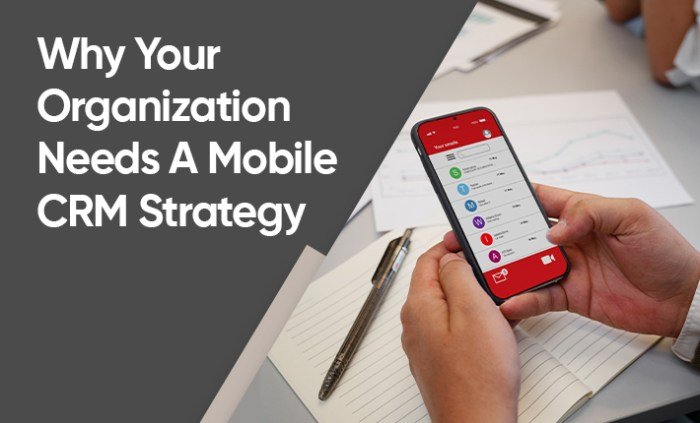
Alright, so you’ve got your CRM system humming along on a server, but are you sure it’s hummingefficiently*? Performance monitoring isn’t just about looking pretty, it’s about ensuring your CRM is responsive, your users are happy, and your bottom line is healthy. Let’s dive into the nitty-gritty of keeping your CRM running like a well-oiled machine.Understanding your CRM’s performance metrics is crucial for identifying and fixing bottlenecks.
It’s like having a doctor’s report for your system. By tracking key indicators, you can anticipate problems before they become major issues and proactively adjust your setup.
Monitoring CRM System Performance Metrics
Tracking performance metrics is like having a dashboard for your CRM’s health. This involves collecting data on various aspects of your system’s behavior. Key metrics include response times, database query durations, user session counts, and resource utilization (CPU, memory, disk I/O). The more granular the data, the better you understand the underlying causes of performance issues. For instance, high response times during peak hours might signal a need for server upgrades.
Identifying and Resolving Performance Bottlenecks
Pinpointing the source of performance problems is a detective work exercise. First, gather detailed logs from your server and CRM application. Analyze these logs to identify patterns. Are certain actions or periods consistently causing delays? Are particular database queries taking excessively long?
Use this information to isolate the problem area. For example, if you see prolonged delays during user login, you might investigate the authentication process or database queries associated with user data retrieval. Once the bottleneck is pinpointed, implement targeted solutions. For example, if slow database queries are the culprit, consider optimizing database indexes, using a caching layer, or even scaling your database.
Optimizing Server Resources for CRM Performance
Server optimization is about making the most of your hardware resources. Proper configuration of server resources, including RAM, CPU, and storage, directly affects CRM performance. Over-provisioning is a waste of money, under-provisioning can lead to bottlenecks. Finding the sweet spot is key. Think of it like choosing the right engine for your car.
So, your CRM’s speed is everything, right? Poor server hosting can seriously tank your system performance, leading to frustrating slowdowns and user issues. Just like how a top-notch lawyer can make or break a case, choosing the right server hosting is critical for your CRM system. A solid hosting solution ensures your CRM runs smoothly, avoiding issues like data loss or downtime.
For example, check out this article about a lawyer shaking up the insurance industry Insurance Companies Fear This Lawyer – Find Out Why and see how that translates to business performance. Ultimately, reliable server hosting is the bedrock for a performing CRM system.
You don’t need a Formula 1 engine if you’re just commuting to work.
Using Monitoring Tools to Track Server and CRM Usage
Leveraging monitoring tools provides a comprehensive view of your CRM and server performance. These tools track metrics in real-time, alerting you to potential issues. They also provide historical data to identify trends and patterns. Monitoring tools aren’t just about reactive fixes; they’re about proactive optimization.
Performance Monitoring Tools
Using tools to track your system’s performance is essential for maintaining efficiency. These tools provide detailed insights into resource utilization, system response times, and potential bottlenecks.
| Tool | Key Features |
|---|---|
| New Relic | Real-time application performance monitoring, comprehensive insights into application performance, detailed dashboards for monitoring various aspects of the application. |
| Datadog | Comprehensive observability platform, monitoring of servers, databases, and applications, real-time alerts and dashboards. |
| Prometheus | Open-source system monitoring solution, highly customizable, scalable, and flexible. |
| Grafana | Open-source visualization tool for various metrics, integrates with monitoring tools like Prometheus, provides dashboards for visualizing and analyzing data. |
Cost-Effectiveness of Server Hosting

Choosing the right server hosting for your CRM system isn’t just about performance; it’s about ROI. A poorly chosen hosting plan can cripple your CRM’s effectiveness, while a smart investment can power explosive growth. Let’s dive into the cost-benefit analysis to make sure your CRM budget is working
for* you, not against you.
Crushing CRM performance hinges on solid server hosting. Think about it: a sluggish CRM system is a major productivity killer. Choosing the right hosting solution isn’t just about speed; it’s about unlocking the full potential of your CRM. This means maximizing CRM functionality with server hosting features, like scaling resources to handle peak loads, ensuring high availability, and optimizing data transfer.
Understanding these aspects is crucial for a smooth CRM experience. Check out Maximizing CRM Functionality with Server Hosting Features for actionable tips on optimizing your CRM setup. Ultimately, robust server hosting is the bedrock of a high-performing CRM system.
Understanding the relationship between server hosting costs and CRM performance is critical. A cheaper option might seem attractive initially, but if it leads to slowdowns, data loss, or security breaches, the true cost is far higher. Investing in a reliable hosting solution is an investment in your CRM’s success.
Cost-Benefit Analysis of Different Hosting Options
Different server hosting options offer varying levels of performance, security, and scalability, each with its own price tag. Cloud hosting, for example, often provides greater flexibility and scalability but may involve ongoing subscription fees. Dedicated servers offer more control and customization but require higher upfront costs. Understanding the trade-offs between these options is key to selecting the right fit.
Correlation Between Server Hosting Costs and CRM System Performance
There’s a direct correlation between hosting costs and CRM performance. Lower-cost options often come with limitations on resources like processing power, storage, and bandwidth. These limitations can lead to slow loading times, decreased user experience, and ultimately, decreased productivity. Investing in more robust hosting can significantly improve CRM performance, leading to a higher return on investment. Consider this example: A company using a budget-friendly shared hosting plan for a large CRM with thousands of users may experience performance issues during peak hours, impacting sales and customer service.
Comparison of Hosting Costs for Different CRM System Sizes and Usage Patterns
The cost of server hosting varies significantly depending on the size and usage pattern of your CRM system. A small CRM with a limited number of users and low data volume will require a less expensive plan compared to a large CRM handling thousands of users and massive data volumes. For example, a small business with a CRM handling 100 users might find a shared hosting plan sufficient.
However, a large enterprise CRM with 10,000+ users would need a dedicated server or a cloud-based solution with scalable resources to handle the high traffic and data demands. A dedicated server offers more resources and control, which is ideal for high-volume, mission-critical applications. Cloud solutions offer scalability and flexibility, which can be crucial for rapidly growing businesses.
Consider a SaaS (Software as a Service) solution, offering pre-configured CRM applications, for more scalability.
Choosing a Server Hosting Solution Aligned with Budget and Performance Needs
Choosing the right server hosting solution demands a careful assessment of your budget and performance needs. Start by identifying your CRM’s current and projected usage, including user count, data volume, and peak traffic. This allows you to select a hosting plan with sufficient resources to handle these demands. Next, consider your budget and choose a plan that fits within your allocated resources.
Look for transparent pricing models that clearly Artikel the costs associated with different features and resources. A thorough cost-benefit analysis is crucial.
Cost-Effectiveness Table
| Hosting Type | Description | Cost Range (Example) | Suitability |
|---|---|---|---|
| Shared Hosting | Multiple users share the same server resources. | $10-$100/month | Small businesses with low user volume. |
| VPS Hosting | Virtual Private Server, offering dedicated resources within a shared server. | $50-$500/month | Growing businesses with increasing user needs. |
| Dedicated Server | Entire server dedicated to your CRM system. | $100-$1000+/month | Large enterprises with high-volume data and critical applications. |
| Cloud Hosting | Scalable resources provided on-demand from the cloud. | $50-$500+/month | Businesses requiring scalability and flexibility. |
Illustrative Examples of CRM System Hosting: Why Server Hosting Is Crucial For CRM System Performance
Choosing the right server hosting for your CRM system is crucial for its performance, security, and scalability. It’s not just about picking a plan; it’s about aligning your hosting with your business needs and future growth. Different hosting options cater to different sizes and complexities of CRM systems, and understanding these differences is vital.
Small Business CRM on a Shared Server
A small business with a basic CRM system might choose a shared server hosting solution. This is often the most cost-effective option, but it comes with limitations. Imagine a bakery using a CRM to track orders and manage customer relationships. Hosting on a shared server means their CRM shares resources with other businesses’ applications. While this is affordable, if other businesses on the same server experience high traffic, the bakery’s CRM might slow down.
This could lead to order delays and a poor customer experience. Think about a sudden surge in online orders—the shared server might struggle to handle the increased load, potentially impacting the CRM’s responsiveness and data integrity.
Large Enterprise CRM on a Dedicated Server
For large enterprises with complex CRM systems and massive data volumes, a dedicated server is often the better choice. A global e-commerce company, for instance, relies on a CRM to manage inventory, track shipments, and analyze customer behavior. A dedicated server gives them the resources they need. They can allocate specific processing power and memory exclusively to their CRM, ensuring consistent performance and avoiding slowdowns.
This is crucial to maintaining the integrity of their extensive customer database and to prevent data loss or corruption. A dedicated server allows for better control over security measures and maintenance schedules, safeguarding sensitive customer data.
Implications of Server Downtime on CRM Users
Server downtime directly impacts CRM users. If the server hosting a CRM goes down, users lose access to crucial data and applications. Consider a retail company whose CRM manages customer interactions and inventory tracking. If the server is down, sales representatives can’t access customer information, impacting order processing and potentially leading to lost sales. Furthermore, stock management is affected, and order fulfillment becomes a challenge, resulting in frustrated customers and damaged brand reputation.
Even brief outages can have significant financial repercussions.
Importance of Server Maintenance for a Stable CRM System
Regular server maintenance is essential for a stable CRM system. It’s akin to regular checkups for your physical health. Think of a hospital management system. Server maintenance includes updates, security patches, and routine checks to ensure everything is running smoothly. Without proper maintenance, vulnerabilities can arise, leading to security breaches, data loss, or system crashes.
The consequences can range from data breaches to a complete system failure, costing the hospital significant time and resources.
Examples of Choosing the Wrong Server Hosting
Choosing the wrong server hosting can negatively impact a CRM system’s performance. A small consulting firm using a CRM to manage client relationships and projects might opt for a shared server due to budget constraints. However, if the company experiences rapid growth and sees an exponential increase in client interactions, the shared server might not be able to handle the increased demand.
This could lead to slower response times, affecting client communication and potentially losing clients. A larger company with a complex CRM system might choose a low-cost hosting option with limited resources. This could lead to system instability, impacting data integrity, and hindering business operations. This would significantly affect their ability to process transactions, manage inventory, and provide customer service.
Summary
In conclusion, choosing the right server hosting solution is paramount for a high-performing CRM system. This isn’t just about selecting hardware; it’s about strategically aligning your hosting with your business goals, ensuring data security, and preparing for future growth. By understanding the interplay between server resources, data integrity, scalability, and cost-effectiveness, you can optimize your CRM for maximum performance and ROI.
Don’t underestimate the impact of the right hosting solution; it’s the foundation for a thriving CRM.
User Queries
What’s the difference between shared, VPS, and dedicated servers?
Shared servers are cost-effective but can experience performance bottlenecks when multiple users are active. VPS servers provide more resources and control, but still share some infrastructure. Dedicated servers offer the most resources and control, ensuring consistent performance, but are more expensive.
How often should I back up my CRM data?
Regular backups are crucial. Frequency depends on your business needs and data sensitivity, but daily or weekly backups are generally recommended.
What are some common performance bottlenecks in CRM systems?
Poorly optimized queries, large datasets, insufficient server resources, and outdated software are common culprits. Monitoring and addressing these can drastically improve performance.
Can cloud-based hosting handle large CRM data volumes?
Yes, cloud hosting often offers scalable resources, enabling efficient handling of substantial CRM data volumes.